
Steam vs Convection: Steam, Speed & Combi Ovens Explained
Steam, speed, and combi ovens sit at the specialty end of the built-in oven category. Combi ovens in particular come from professional kitchens, and all three promise things a standard oven cannot do. They also carry a higher price and need cabinet space, so the useful question is not which oven is newest. It is which one fits the way you cook.
This guide explains how each type works, where it differs from a conventional convection oven, and what to weigh before you buy. With holiday cooking research picking up, this is also the time of year many homeowners start asking whether a second or different kind of oven would make the season easier.
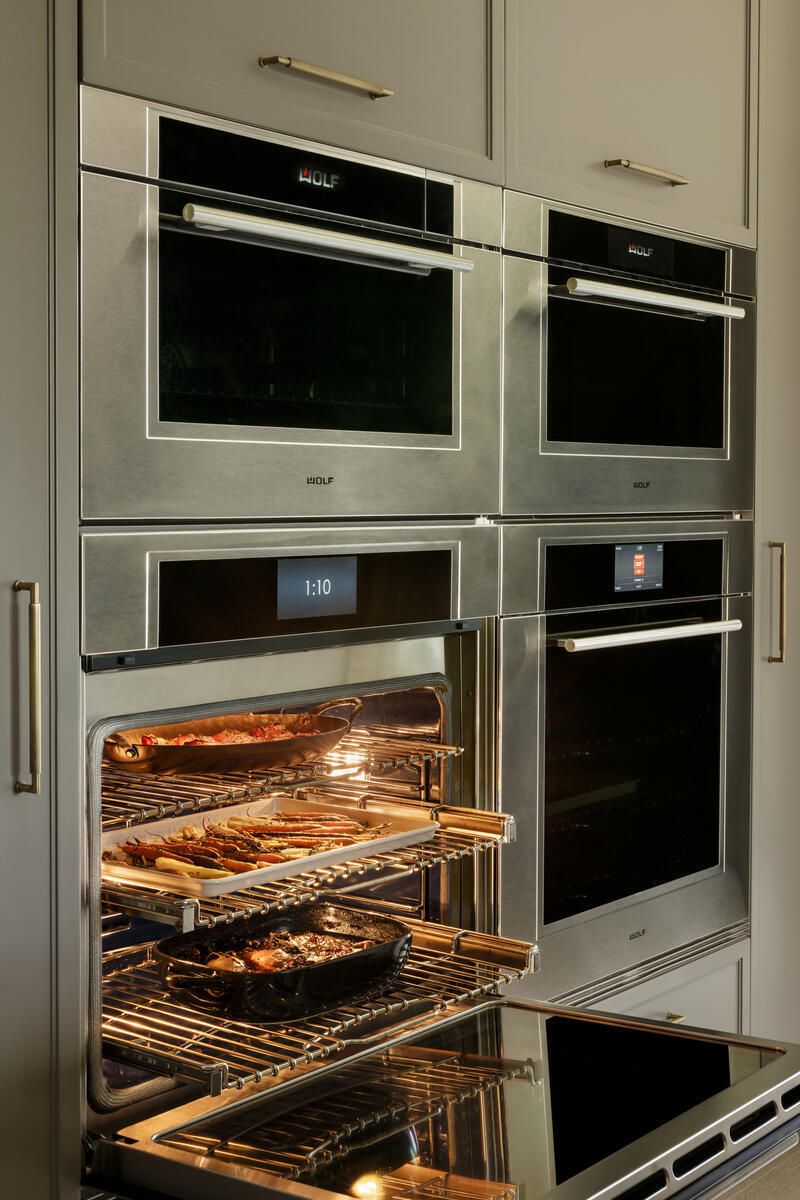
Steam Oven vs Convection: How They Cook Differently
A convection oven uses a fan to circulate hot, dry air around the food. That moving air pulls moisture from the surface, which is why convection browns and crisps so well. It is the right tool for roasting, baking, and anything that should finish with a golden exterior.
A steam oven works the opposite way. Steam surrounds the food and keeps moisture in, which suits vegetables, fish, grains, and gentle reheating. A pure steam oven cooks at or near the boiling point of water, so it does not brown food the way a dry oven does. For that reason, a steam oven usually works alongside a conventional oven rather than replacing it.
Combi Ovens: Steam and Convection in One Cavity
A combi oven combines both methods. Most run three modes: convection only, steam only, or a combination of the two. The combination mode is where the appeal lies, since you can roast with added moisture so the inside stays tender while the outside browns. Steam in the early stage of baking is also widely used to help bread develop a crisp crust.
The tradeoff is complexity. A combi oven has more settings to learn than a standard oven, and the plumbing question matters. Some steam and combi ovens connect to a water line, and others use a reservoir you fill by hand. Settle that detail before you choose a model, since it affects installation.
Speed Ovens: Fast Cooking With a Different Technology
A speed oven is a different technology from steam. It typically combines microwave energy with convection heat to cook food much faster than a traditional oven, and some models add halogen elements. The exact method varies by model, so check how a specific unit works rather than assuming.
Speed ovens suit households where time is the main constraint. Steam ovens favor texture and food quality, while speed ovens favor speed, and the two are often compared on exactly that tradeoff.
Which Oven Is Worth the Investment?
The table below compares the four oven types side by side.
Oven type
How it cooks
Best for
Keep in mind
Convection
Fan-circulated dry heat
Roasting, baking, browning, crisping
Can dry out some foods
Steam
Moist heat only
Vegetables, fish, grains, gentle reheating
Does not brown; usually paired with another oven
Combi
Convection, steam, or both together
Roasting with moisture, bread, all-in-one cooking
More settings to learn; may need a water line or reservoir
Speed
Microwave plus convection; some add halogen
Fast weeknight cooking and reheating
Method varies by model; texture differs from steam
A simple way to decide:
- If you cook a lot of vegetables, fish, and leftovers, a steam oven adds the most that a standard oven lacks.
- If you want one appliance that can steam, roast, and bake, a combi oven covers the widest range.
- If your main frustration is time, a speed oven is built to shorten it.
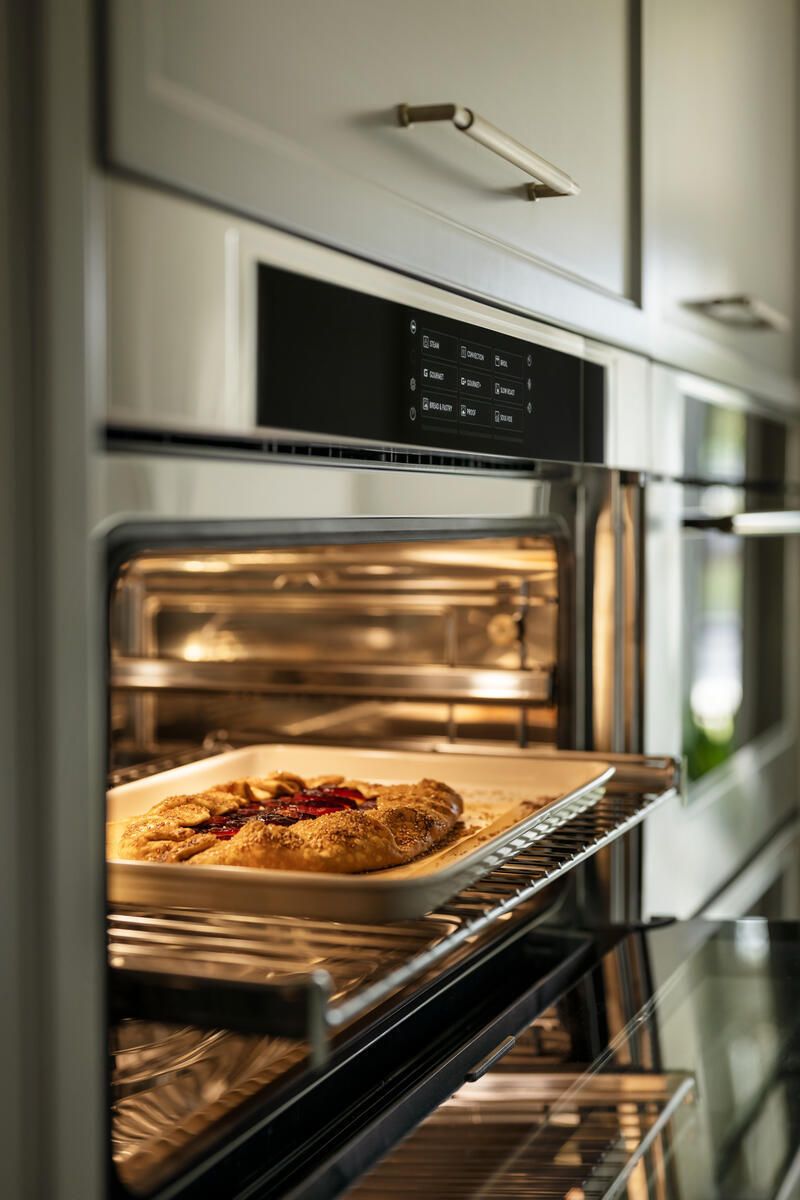
Built-In Coffee Systems: The Companion Upgrade
Built-in coffee systems are designed to sit in the same stack as wall ovens, which gives the kitchen a matching front. Wall oven makers including Miele, Wolf, Thermador, and Gaggenau offer coffee systems alongside their ovens, and MLD carries all four brands. Browse MLD's coffee systems and built-in ovens to see what fits your layout.
See Them Work Before You Decide
Reading about steam is one thing. Watching a steam oven handle real food is another. MLD's Chef's Corner features weekly demonstrations on kitchen appliances, led by the in-house culinary team, where visitors can explore new features before purchasing. Check the live demo calendar for upcoming sessions.
You can also visit a showroom to see ovens installed in a working kitchen layout. Ask an appliance associate which models are on display at your nearest location. Find an MLD showroom .
Frequently Asked Questions
Is a steam oven worth it?
It depends on how you cook. A steam oven earns its place if you cook vegetables, fish, and grains often or reheat food regularly. If you mostly roast and bake, a combi oven or a good convection oven may serve you better.
Can a steam oven replace a convection oven?
Usually not. A pure steam oven does not brown food, so most households keep a conventional or convection oven too. A combi oven can cover both roles in one cavity.
What is the difference between a steam oven and a combi oven?
A steam oven cooks with steam only. A combi oven can run steam, convection, or both together, which makes it more versatile.
Do steam ovens need a water line?
Some models connect to a water line, and others use a reservoir you fill by hand. Confirm which type you are buying before installation.
What is a speed oven?
A speed oven combines microwave energy with convection heat, and sometimes halogen elements, to cook faster than a standard oven. The method varies by model.
Ready to compare steam, speed, and combi ovens? Visit an MLD showroom or check the live demo calendar to see how they cook.